The regulator is reading your marketing. So are your patients.
October’s interesting aesthetics stories aren’t really about new treatments. They’re about what happens when the commercial side of a clinic starts getting ahead of the evidence. The regulator is reading your marketing. So are your patients.
By Alexis Drake

Advertising, pricing, preventative-health claims and even how patients find you are all becoming slightly more complicated.
Here are four things I’d be thinking about before approving the next campaign.
“Anti-wrinkle injections” may not be the workaround you think it is
What happened
The JCCP issued fresh guidance in September on advertising prescription-only medicines, warning that compliance isn’t simply about avoiding the word Botox. Wording, imagery, hashtags, pricing and context can still indirectly promote a POM. Aesthetics Journal
Then, on 2 October, the MHRA published its September advertising investigations. Fresh Skin Clinic had amended its advertising following MHRA action to ensure prescription-only medicines weren’t being promoted to the public. GOV.UK
Why I care
Because this has moved from guidance people really ought to read sometime to a named aesthetics business being required to change its marketing.
And here’s the commercial snag: some of the language clinics use because it converts well may be precisely the language that causes the problem.
What I’d do
Audit the whole customer journey, not just your Meta ads. Website. Instagram. Price menus. Booking platforms. Treatment names.
If your customer can effectively reverse-engineer the POM from the wording and price structure, I wouldn’t assume changing one word has magically solved it.
Your “sale” price needs a history
What happened
On 23 September, the ASA upheld a complaint against aesthetics and skincare supplier Reliable Medicare over products advertised as “Sale” and “-50%”.
The problem wasn’t that businesses can’t discount. It was that the ASA wasn’t given evidence showing the crossed-out prices were the products’ usual selling prices. The savings claims therefore weren’t substantiated. ASA
Why I care
Clinics love an offer.
“Normally £300, now £199.”
“£100 saving.”
“50% off this month.”
Perfectly ordinary marketing language. Until somebody asks: based on what? A discount is a factual claim, not decorative typography.
What I’d do
Keep evidence of pricing history and be very careful with permanent “introductory” offers that somehow remain introductory until approximately the end of civilisation.
Wellness is expanding. So is the evidence problem.
What happened
On 7 October the ASA upheld two complaints about advertising for Do Health, a preventative-health service using blood tests and lifestyle information.
The ASA concluded that the advertising created impressions around identifying, diagnosing or helping prevent serious conditions that hadn’t been substantiated. It also found claims suggesting the service could tell consumers precisely what their bodies needed went beyond the evidence provided. ASA
Why I care
Because aesthetics is drifting rapidly towards longevity, optimisation, hormones, diagnostics and whole-person health. There may be an excellent commercial opportunity there. But changing the clinic menu doesn’t change the evidential bar.
“Optimises”, “prevents”, “diagnoses”, “balances”, “reverses” and “tells you exactly what your body needs” are not fluffy wellness words once they start making objective health claims.
What I’d do
If you’re extending into wellness, build the governance and evidence model before building the marketing campaign around it.
Google ranking may no longer be the whole prize
What happened
Aesthetic Medicine’s October issue highlights the growing effect of generative search: Google’s AI answers and tools such as ChatGPT increasingly synthesise recommendations rather than simply presenting a list of websites. Aesthetic Medicine Magazine
Why I care
This is early, and I wouldn’t sack your SEO agency tomorrow. But the commercial direction is interesting.
If search is moving from “Who ranks first?” towards “Who looks sufficiently credible to be recommended?”, then useful content, practitioner credentials, consistent business information, third-party mentions and genuine authority become even more valuable.
In other words, some of the boring brand infrastructure suddenly has a job to do.
What I’d do
Stop thinking of your website purely as somewhere to send Instagram traffic. Make it the clearest, most verifiable account of who you are, what you do, why you’re qualified to do it and who you’re actually for.
One thing me and Octavia are watching
The creep from aesthetics into whole-person health.
A peer-reviewed review published on 1 October describes an emerging model of “integrative aesthetics”, while this month’s Aesthetic Medicine is openly discussing the convergence of aesthetics with sleep, stress, nutrition, hormones and healthy ageing. Dove Press
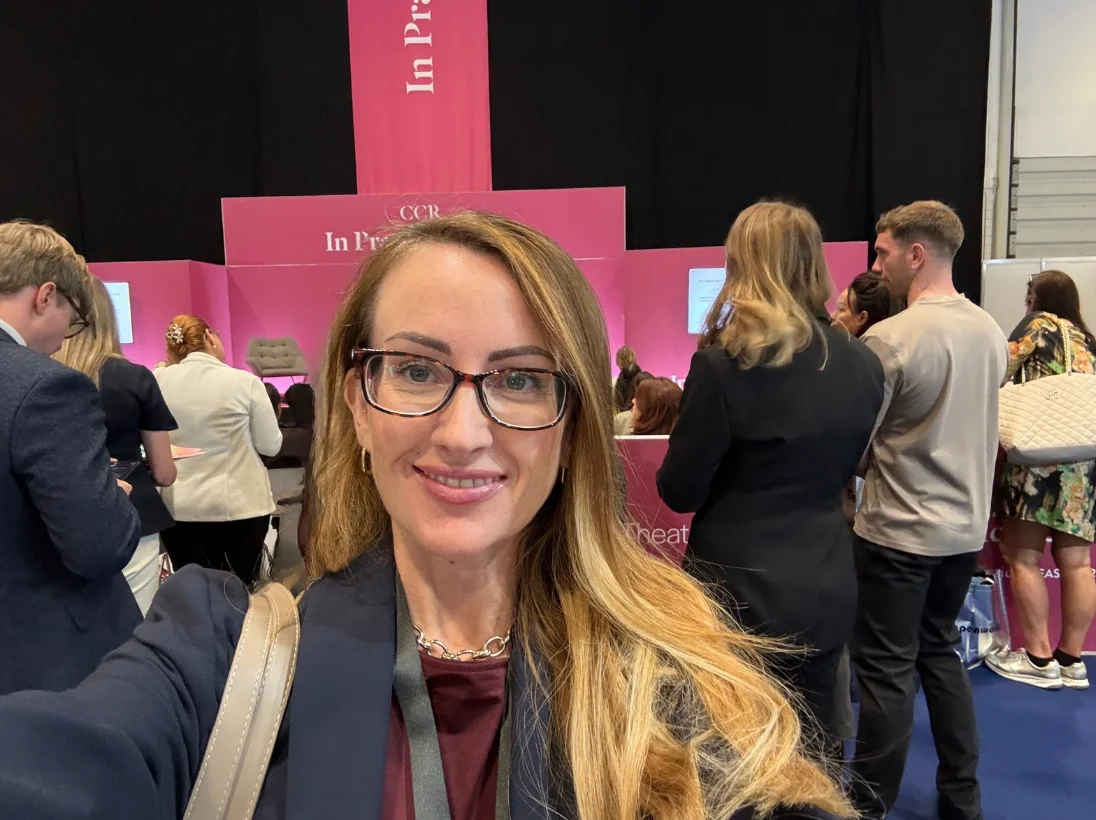
I also got talking to the founder of UNTIL at CCR London last week, and she spoke of a future where different health professionals converged under one (very premium!) roof. The benefits were immediately obvious to me; you could cross-pollinate clients, learn from each other and not compete with anyone offering exactly what you do. UNTIL
I think there’s something here.
But before everybody buys a blood-testing machine and adds LONGEVITY to the website in 72-point font, I’d ask a more useful question:
“Does this create a coherent business model for your particular patients, or just a much longer treatment menu?”
October’s theme, then: marketing isn’t the colourful bit you bolt onto the business afterwards. Increasingly, it carries regulatory, evidential and commercial consequences of its own.
Strategy before spend. Always.
Sources
MHRA, “Medicinal treatment services – September 2026” | 2 October 2026. Primary UK medicines regulator, documenting actual advertising action taken following complaints. GOV.UK
JCCP advertising guidance coverage | 10–14 September 2026. Useful industry interpretation of the POM rules and the JCCP’s expectations for aesthetics registrants. Aesthetics Journal
ASA, Reliable Medicare Ltd | 23 September 2026. Primary regulator ruling setting out exactly why the 50% savings claims were considered misleading. ASA
ASA, Menwell Ltd t/a Do Health | 7 October 2026. Primary regulator ruling, and particularly useful because it landed today and illustrates the evidential risks around the fast-growing preventative-health/wellness space. ASA
Aesthetic Medicine, “Ranking #1 Is Not Enough Anymore” | October 2026. Industry commentary rather than regulatory evidence, so I’ve used it as an emerging marketing signal, not a settled fact. Aesthetic Medicine Magazine
Goldie et al., “Integrative Aesthetics: Shaping the Emerging Frontier of Modern Aesthetic Medicine” | 1 October 2026, plus Aesthetic Medicine’s October whole-person-care feature. Useful as evidence that the aesthetics/wellness convergence is becoming a defined discussion, although I’ve deliberately treated it as an emerging direction rather than proven consumer demand.
About the author
Founder, Octavia’s Revenge
Keep reading
 Briefings
Before you buy another treatment: four things worth noticing this September
This month’s useful aesthetics stories aren’t really about novelty. They’re about proof.
Alexis Drake
 Observations
Before you leave the NHS, do the maths.
Two conversations. Two very different ambitions. And one financial consideration that deserves considerably more attention.
Alexis Drake
 Observations
Frequent flyers: when another training course becomes the business plan
There's a pattern I'm beginning to recognise in medical aesthetics. Practitioners invest in clinical training, struggle to establish a paying patient base, and then decide that the next step towards growing their business is more training.
Alexis Drake